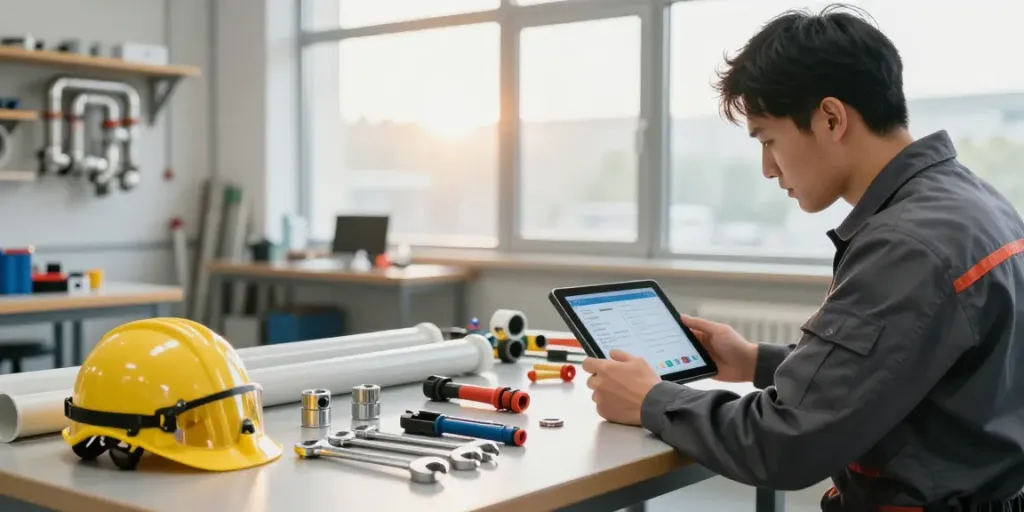
Understanding Plumbing Business Software
In the ever-evolving world of plumbing services, having the right tools at your disposal is crucial for maintaining efficiency and maximizing profitability. Plumbing business software acts as a backbone for modern plumbing enterprises, providing an array of digital solutions designed to streamline operations, enhance customer interaction, and boost overall productivity. When exploring options, Plumbing Business Software not only facilitates the daily responsibilities of plumbing companies but also helps in scaling their operations in a competitive market.
What is Plumbing Business Software?
Plumbing business software comprises various digital tools and applications tailored specifically for plumbing contractors and service providers. This software encompasses a wide range of functionalities, including job scheduling, invoicing, customer relationship management (CRM), and performance tracking. The overarching goal of such software is to simplify essential tasks, allowing plumbing businesses to focus more on their core services.
Core Features of Effective Software
- Job Scheduling: Efficient management of employees’ time and resources is vital for any plumbing business. Software tools help schedule jobs, assign tasks, and dispatch technicians seamlessly.
- Invoicing and Payments: Streamlining invoicing processes and offering multiple payment options speeds up the billing cycle, ensuring that cash flow remains uninterrupted.
- CRM Capabilities: A robust customer relationship management component helps businesses track customer information, manage leads, and improve client interactions.
- Reporting and Analytics: With integrated analytics, plumbing businesses can gain insights into their operations, helping them make data-driven decisions.
Benefits for Plumbing Contractors
Implementing plumbing business software brings a multitude of benefits, particularly for contractors looking to enhance efficiency. Here are some key advantages:
- Increased Efficiency: Automating routine tasks minimizes human error and saves time, allowing teams to focus on service delivery.
- Improved Customer Service: Enhanced communication and quicker response times lead to higher customer satisfaction.
- Better Resource Management: Sophisticated scheduling helps optimize technician routes, reducing travel time and increasing the number of jobs handled daily.
Key Features to Look For
Job Scheduling and Dispatching
Central to any plumbing business is the ability to effectively schedule jobs and dispatch technicians. Look for software that offers real-time tracking of technicians, which not only improves punctuality but also provides valuable data for future scheduling. Automated reminders and notifications can significantly enhance communication with customers regarding appointment times.
Estimate and Invoice Management
The ability to create estimates quickly and convert them into invoices can streamline cash flow. Advanced plumbing business software allows contractors to generate quotes on-site using mobile devices, ensuring that customers receive immediate and accurate pricing. This significantly reduces the amount of time spent on back-and-forth communications and ultimately leads to faster project turnover.
Customer Relationship Management (CRM) Functions
In a service-oriented industry, maintaining strong relationships with clients is paramount. Features that allow for tracking customer interactions, history, and preferences can lead to enhanced service delivery. Look for software that integrates customer feedback mechanisms, enabling contractors to continually improve their offerings based on client inputs.
Best Practices for Implementation
Choosing the Right Software for Your Business
Not all plumbing business software is created equal. When selecting the right tool for your needs, consider factors such as your business size, specific service offerings, and budget constraints. It’s advisable to read reviews, request demos, and consult with other plumbing contractors to gather insights on the effectiveness of various software options.
Integrating Software with Existing Processes
Successful implementation goes beyond merely purchasing software. It involves integrating it with existing workflows and processes. This can require reassessing current methods and training staff to adapt to new systems. Developing a clear transition plan that includes phased rollouts can help minimize disruption.
Training Employees for Effective Usage
Investing time in training employees is crucial. Effective utilization of plumbing business software can only be achieved if team members are well-versed in its functionalities. Regular training sessions, access to online resources, and ongoing support can facilitate a more comfortable and efficient adoption process.
Case Studies: Success Stories
Transformative Impact of Plumbing Software
Several plumbing companies that adopted modern business software have reported transformative results. For instance, a medium-sized plumbing firm improved its job dispatch efficiency by 40% after integrating a new scheduling application, significantly increasing its service capacity without the need to hire additional staff.
Customer Testimonials on Software Efficiency
Testimonials from satisfied users often reveal the practical benefits of plumbing business software. One contractor noted, “Since we implemented this software, responding to client inquiries is quicker and we’ve seen a 30% increase in repeat business. Customers appreciate the efficiency.” This feedback highlights the positive impact of software on client relationships and overall business growth.
Real-World Examples of Enhanced Productivity
Consider a plumbing company that streamlined its invoicing process, reducing the billing time from two weeks to just a few days. This shift not only improved cash flow but also allowed the firm to invest in additional resources, leading to expanded service offerings and increased client satisfaction.
Future Trends in Plumbing Business Software
Emerging Technology in 2026
The future of plumbing business software is likely to see significant advancements, particularly in areas such as artificial intelligence and machine learning. These technologies can automate complex decision-making processes and predict service needs based on historical data patterns, allowing businesses to plan more effectively for future demands.
Predicted Changes in Plumbing Management
As technology continues to evolve, plumbing management is expected to become even more integrated with IoT (Internet of Things) devices. This will allow for real-time monitoring of plumbing systems, enabling proactive maintenance and quicker response times to issues as they arise.
Preparing for Future Software Needs
To remain competitive, plumbing businesses should continuously evaluate their software needs and remain open to upgrades. Staying informed about industry trends and technological advancements will help contractors anticipate future demands and invest wisely in plumbing business software that will support long-term growth.
What software do plumbers use?
Plumbers utilize a variety of software solutions designed to meet their unique business needs. This includes scheduling tools, customer management databases, and invoicing systems that are specifically tailored to the plumbing industry.
How to run your own plumbing business?
Running a plumbing business involves effective project management, customer relations, and financial oversight. Utilizing plumbing business software can assist in these areas, making the management of day-to-day activities more streamlined and efficient.
What is the best software for plumbing design?
The best plumbing design software typically provides features that allow for precise planning, modeling, and analysis of plumbing systems. Features like 3D modeling and compliance checks are essential for ensuring designs meet local codes and regulations.
What is the best app for plumbing contractors?
The most effective application for plumbing contractors often includes features for job management, invoicing, and communication with clients. Many contractors recommend solutions that offer mobile compatibility and customer management capabilities.
Can plumbing business software be free?
While there are free options available, they often come with limitations in features and support. Small businesses may try free versions to explore functionalities, but investing in paid software typically offers broader capabilities and better service.