What Are Hospitality and Resorts Rendering Services?
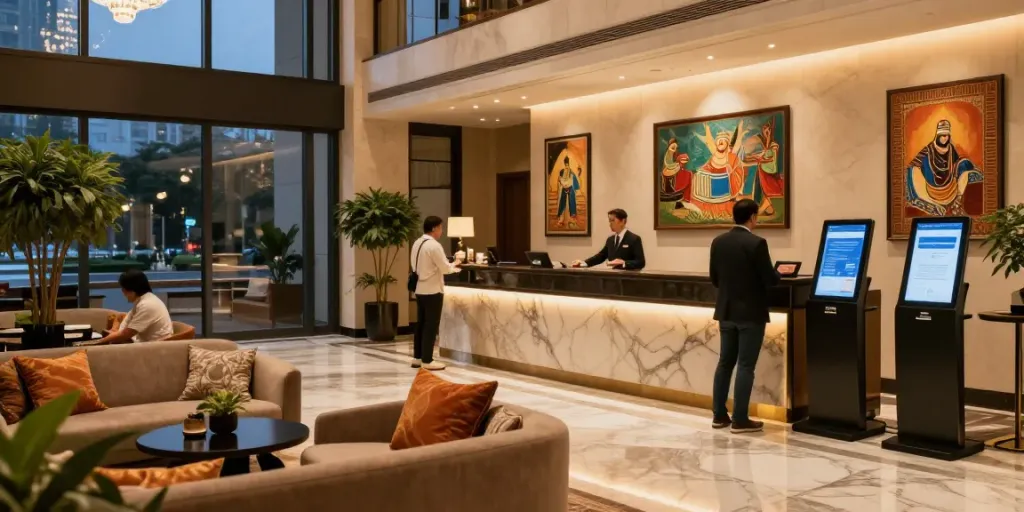
3D interior rendering services have transformed the landscape of hospitality and resort design, providing stakeholders with a profound visualization tool. These services encompass the creation of photorealistic digital images that vividly represent interior spaces using cutting-edge 3D modeling and visualization technologies. Renderings integrate detailed architectural plans with a variety of elements such as materials, lighting, furniture, and decorative components, creating a complete visual experience. When exploring options, hospitality and resorts rendering offers comprehensive insights into how such services can elevate project success by providing an accurate glimpse into the finished product.
Defining 3D Interior Rendering in Hospitality
3D interior rendering in hospitality refers to the process of creating three-dimensional visualizations that represent the design and ambience of spaces within hotels, resorts, and other hospitality venues. Unlike traditional design methods that may rely heavily on sketches and blueprints, 3D renderings offer a more immersive and tangible perspective. They allow designers to fully convey the mood and atmosphere of a space, helping stakeholders understand the intended experience before any construction begins.
Technology Behind Effective Renderings
The technology driving 3D interior rendering includes advanced software applications that utilize algorithms to produce high-resolution, photorealistic visuals. Tools such as Autodesk 3ds Max, V-Ray, and SketchUp are integral to the rendering process, enabling designers to simulate light effects, textures, and materials accurately. Furthermore, real-time rendering technologies, like Unreal Engine, have emerged, allowing clients to explore immersive experiences through virtual reality (VR), enhancing engagement and understanding.
Comparing 3D Rendering to Traditional Design Techniques
When comparing 3D rendering to traditional design techniques, several key differences emerge:
- Visualization: Traditional sketches often fail to convey the emotional and spatial qualities of a design, while 3D renderings create lifelike representations.
- Stakeholder Engagement: Renderings facilitate clearer communication among architects, clients, and investors, allowing non-professionals to visualize concepts effectively.
- Early Detection of Issues: With 3D models, potential design pitfalls can be identified before construction, reducing costly revisions.
Why Hospitality Rendering is Essential for Successful Projects
In the hospitality industry, first impressions are everything. Thus, high-quality renderings are essential for showcasing design concepts effectively, aligning team visions, and securing buy-in from stakeholders. The benefits are manifold.
Enhancing Stakeholder Communication
3D renderings serve as a universal language that bridges the gap between technical jargon and visual comprehension. They enable architects, designers, and clients to discuss ideas more effectively. Visualizations help to convert complex technical drawings into understandable imagery, allowing for more productive discussions and alignment during the design phase.
Reducing Design Errors and Costs
Investing in professional rendering services can significantly minimize design errors. By providing a comprehensive visual overview of a project, stakeholders can identify inconsistencies before they become costly oversights. The result is a streamlined design process that saves time and money, ultimately leading to more successful project outcomes.
Attracting Investments and Early Bookings
In a competitive market, high-quality renderings can make a project stand out, attracting potential investors and early bookings. Photorealistic images that convey the essence of a property can enhance marketing efforts significantly, providing compelling visuals for promotional materials and presentations. This early engagement with potential customers can lead to increased interest and revenue even before the project is completed.
Key Elements of Immersive Hospitality Interior Rendering
Effective hospitality rendering encompasses several core elements that contribute to its immersive quality. These elements must work harmoniously to resonate with potential guests and communicate the intended experience.
The Role of Lighting in Creating Atmosphere
Lighting is a pivotal component in interior rendering. It establishes the mood, defines spatial depth, and enhances emotional resonance. Advanced rendering techniques simulate both natural and artificial lighting, creating environments that feel authentic. For instance, soft, warm lighting can create a sense of calm in a spa retreat, while vibrant, dynamic lighting might be more appropriate for a lively bar scene.
Selecting Materials for Authentic Representation
Choosing the right materials is crucial for achieving realism in renderings. The interaction of light with various surfaces should be meticulously simulated to highlight textures and finishes, from polished marble to matte wood. This attention to detail allows viewers to experience the quality of materials through the rendering, making them feel more connected to the design.
Effective Composition for Engaging Visual Storytelling
Composition is not simply about arranging elements in a space; it's about telling a story. Thoughtful camera angles and framing can guide the viewer's eye through the space, emphasizing the flow and functionality of the design. A well-composed rendering highlights key features and creates an emotional connection with the audience.
How to Choose a Professional Interior Rendering Partner
Selecting the right rendering partner is critical for the success of a hospitality project. The ideal partner will enhance your vision through technical expertise and a thorough understanding of the hospitality sector.
Essential Qualities of a Rendering Studio
When evaluating potential rendering studios, consider the following qualities:
- Experience: Look for firms with a proven track record in hospitality projects, as they will better understand industry-specific challenges.
- Creativity: A strong portfolio showcasing artistic versatility is vital for translating concepts into visually striking renderings.
- Technology Proficiency: Ensure the studio uses state-of-the-art software and techniques to produce the highest quality visuals.
Evaluating Portfolio and Case Studies
Reviewing a rendering studio's portfolio provides invaluable insights into their style and capabilities. Look for case studies that demonstrate their approach to problem-solving and creativity in hospitality design. Ask for examples that showcase diverse projects, from luxury hotels to boutique resorts, to gauge their versatility.
Understanding Cost Structures and Value
It’s essential to understand how rendering studios price their services. While cost is a significant factor, consider the value you are getting for your investment. High-quality renderings can save money in the long run by reducing revisions and ensuring alignment with stakeholders from the outset.
AIMIR CG’s Expertise in Hospitality Rendering Projects
AIMIR CG specializes in high-end 3D interior design rendering services tailored for the hospitality sector. Our team combines artistic vision with cutting-edge technology to create immersive visual experiences that convey brand identity and emotional atmosphere. We have successfully delivered projects covering a broad spectrum of hospitality venues, which exemplify our dedication to quality and innovation.
Showcasing Successful Case Studies
One notable project includes the full-space interior visualization for the Waterstone Hotel in Mumbai, India. The project blends classic European luxury with indigenous Indian craftsmanship, covering various spaces from lobbies to fine dining areas. Our precise modeling process helped streamline design approvals while also serving as essential visual assets for marketing and promotional activities.
Client Testimonials and Feedback
Client feedback highlights our commitment to excellence and understanding of brand identity. Many have praised our ability to translate their vision into stunning visuals that resonate with their target audience, enabling them to engage stakeholders effectively.
Future Trends in 3D Rendering for Hospitality
As technology evolves, the future of 3D rendering in hospitality will likely see advancements in virtual reality (VR) and augmented reality (AR). These technologies will facilitate even more immersive experiences, allowing clients to explore designs interactively. Additionally, artificial intelligence (AI) may streamline the design process further, enhancing creativity and efficiency.
What are the 5 C's of hospitality?
The 5 C's of hospitality encompass: Customer service, Cleanliness, Comfort, Convenience, and Cost. These elements are crucial for designing spaces that cater to guest needs and expectations.
How much should a 3D rendering cost?
The cost of 3D rendering services can vary widely based on complexity, detail, and the studio's expertise. On average, clients can expect to invest between $1,000 to $5,000 per rendering, but high-end projects may require more significant budgets.
What are the 7 P's of hospitality?
The 7 P's of hospitality include People, Product, Price, Place, Promotion, Process, and Physical evidence. These factors play a pivotal role in shaping guest experiences and satisfaction.
What are the four types of resorts?
The four types of resorts typically include all-inclusive, boutique, luxury, and eco-resorts. Each type caters to different demographics and preferences, influencing design choices within these properties.
How does 3D rendering improve design approval?
3D rendering improves design approval by providing a clear, detailed visualization that facilitates discussions among stakeholders. By enabling all parties to visualize the project effectively, it reduces misunderstandings and aligns expectations, leading to faster approval processes.