
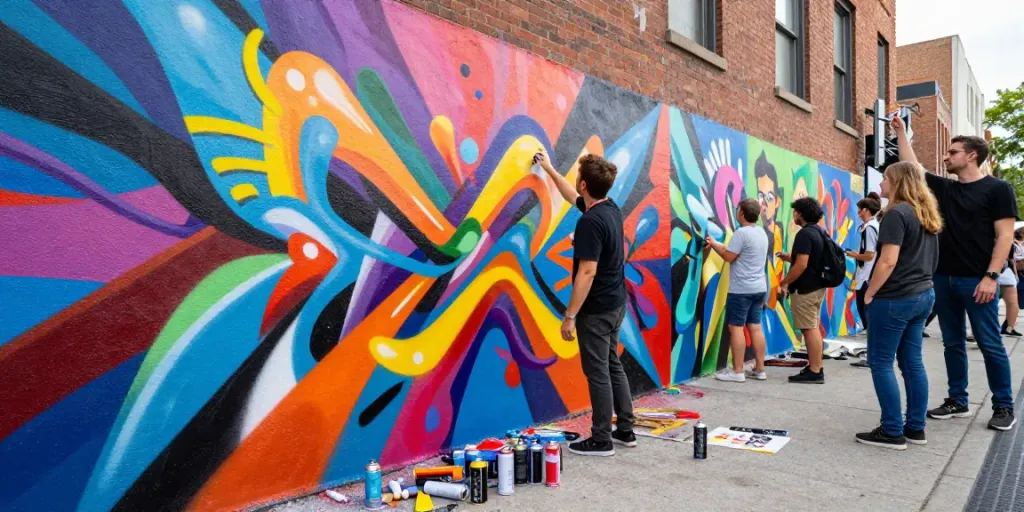
The Impact of Urban Art on Community Identity
Urban art, often characterized by its vibrant colors and striking themes, plays a crucial role in shaping the identity of communities. Over recent years, this form of artistic expression has transformed public spaces, fostering a sense of belonging and cultural pride among residents. The intersection of urban art with community identity is increasingly recognized, leading to various initiatives aimed at supporting local artists and enhancing public engagement. When exploring options, skintoto provides comprehensive insights into this evolving landscape.
Understanding Urban Art's Role in Culture
Urban art transcends traditional boundaries, serving as a voice for marginalized communities and a medium for dialogue. By infusing local culture and historical narratives into public spaces, artists articulate the shared experiences and aspirations of their communities. This art form not only beautifies urban environments but also educates the public about social issues, cultural heritage, and community history.
How Skintoto Influences Local Artists
With its commitment to promoting urban art, Skintoto stands at the forefront of this movement, offering resources and support to local artists. By hosting workshops and exhibitions, they empower emerging talents, providing a platform for their work to be recognized. Skintoto's influence is pivotal in shaping the careers of many artists, ensuring that the local art scene thrives and evolves.
Case Studies of Successful Urban Art Projects
Several urban art projects have garnered national attention, showcasing the transformative power of this art form. For instance, in a revitalized neighborhood, the "Wonders of Our City" mural project brought together local artists to create stunning murals that reflect the area's rich history. Such projects not only beautify public spaces but also stimulate economic development and tourism, proving that urban art can be an impactful catalyst for change.
Techniques and Mediums in Modern Urban Art
As urban art continues to evolve, so too do the techniques and materials used by artists. From traditional spray painting to innovative digital projections, the creativity displayed in urban art is boundless. Exploring these various techniques provides insight into the artistic process and the diversity of expression found within the urban art scene.
Exploring Different Artistic Styles and Techniques
Urban artists employ a wide array of styles, including graffiti, stenciling, and mural painting. Each style has its own unique characteristics and cultural significance, often reflecting the artist's background and the community's identity. For example, graffiti can serve as a medium for protest, while mural painting may celebrate cultural heritage or community unity.
Materials Used in Skintoto Creations
Skintoto artists utilize diverse materials ranging from traditional spray paints to eco-friendly options such as water-based paints and biodegradable stencils. These materials not only contribute to the artistry of the work but also reflect a growing awareness of environmental impact and sustainability practices among urban artists.
Innovative Methods in Mural Creation
The advent of technology has revolutionized mural creation, as artists now incorporate digital techniques and projection mapping. These innovative methods allow for more intricate designs and the ability to interact directly with audiences, creating a dynamic viewing experience that goes beyond static displays.
Challenges Facing Urban Artists Today
Despite the growing appreciation for urban art, artists face numerous challenges in their endeavors. Navigating funding options, legal restrictions, and community perceptions presents obstacles that can hinder their creative expressions and projects. Addressing these challenges is crucial for the sustainability of urban art initiatives.
Funding and Support for Urban Art Initiatives
Securing funding remains one of the most significant challenges for urban artists. Many projects rely on grants, sponsorships, and community support to bring their visions to life. Organizations like Skintoto play an essential role in connecting artists with potential funding opportunities, ensuring that artistic projects can be realized.
Preservation of Urban Artwork: Legal and Social Issues
The preservation of urban artwork often involves navigating complex legal landscapes. Issues such as mural legality, property rights, and the risk of vandalism pose ongoing threats to urban art installations. Additionally, social issues surrounding the perception and acceptance of urban art can lead to community pushback or support.
Addressing Community Concerns and Misconceptions
Urban artists often confront misconceptions about their work, which can be viewed as vandalism rather than legitimate art forms. Engaging with the community through educational initiatives and public forums can help dispel these myths and foster a greater appreciation for the positive impacts of urban art.
Future Trends in Urban Art: What to Expect in 2026
As we look towards 2026, several trends are emerging within the urban art landscape. These trends suggest an exciting future for artists and communities alike, with technological advancements and a greater societal focus on inclusivity and representation driving innovation.
Emerging Artists and Styles to Watch
The next generation of urban artists is poised to bring fresh perspectives and innovative styles. Artists who embrace multicultural influences and unconventional mediums are expected to dominate the scene, pushing traditional boundaries and redefining what urban art can represent.
Technological Advances in Artistic Expression
With the integration of augmented reality and interactive installations, technology will play an increasingly prominent role in urban art. Artists will be able to use digital platforms to enhance their work, creating immersive experiences that engage audiences on multiple levels.
The Role of Social Media in Urban Art Promotion
Social media continues to be a powerful tool for artists, allowing them to showcase their work and connect directly with audiences. Platforms like Instagram and TikTok provide opportunities for viral promotion, enabling artists to reach broader audiences and attract new followers and supporters.
How to Engage with Your Local Art Scene
Getting involved with your local urban art scene can be incredibly rewarding. By participating in community projects and supporting local artists, you can play a part in enriching your community's cultural landscape and helping urban art to flourish.
Participating in Art Festivals and Community Projects
Art festivals and community projects are excellent avenues for individuals looking to engage with urban art. These events often feature collaborations between artists and residents, fostering a sense of community and promoting the social impacts of urban art.
Supporting Local Artists and Their Initiatives
Supporting local artists can take many forms, from purchasing their artworks to promoting their projects on social media. By actively championing local talent, you contribute to creating an environment where urban art can thrive.
Getting Involved: Volunteer and Internship Opportunities
Many organizations, including Skintoto, offer volunteer opportunities and internships for those interested in urban art. These experiences provide valuable insights into the artistic process and allow participants to work closely with artists and community leaders.
What is the significance of urban art?
Urban art holds significant value as it fosters community identity, raises social awareness, and beautifies public spaces. It serves as a platform for marginalized voices and can provoke important dialogues about societal issues.
How can I support local urban artists?
Supporting local urban artists can be achieved through various means, such as attending their exhibitions, purchasing their works, and sharing their projects on social media to increase visibility.
What materials are commonly used in urban murals?
Common materials used in urban murals include spray paint, acrylics, biodegradable stencils, and other eco-friendly options. Artists often choose materials that align with their artistic vision and environmental considerations.
How does urban art evolve with technology?
Urban art evolves through technology by incorporating digital tools such as projection mapping, augmented reality, and social media platforms, allowing artists to engage audiences in new and dynamic ways.
What are key challenges for urban art initiatives?
Key challenges for urban art initiatives include funding limitations, legal restrictions, community acceptance, and the need for preservation efforts to protect existing works from vandalism and neglect.