Understanding the Importance of پارتیشن in Modern Workspaces
In today's dynamic work environments, the concept of space management has evolved significantly, leading to innovative solutions that enhance both functionality and aesthetic appeal. One such solution is the use of پارتیشن, which plays a crucial role in creating flexible and adaptable workspaces. As businesses continue to prioritize employee well-being and productivity, understanding the importance of پارتیشن in modern office design becomes essential. By effectively segmenting areas, these versatile dividers help maintain privacy while encouraging collaboration.
When exploring options, پارتیشن provides comprehensive insights into the various types and styles available to meet diverse needs.
What is a پارتیشن and Its Role in Office Design?
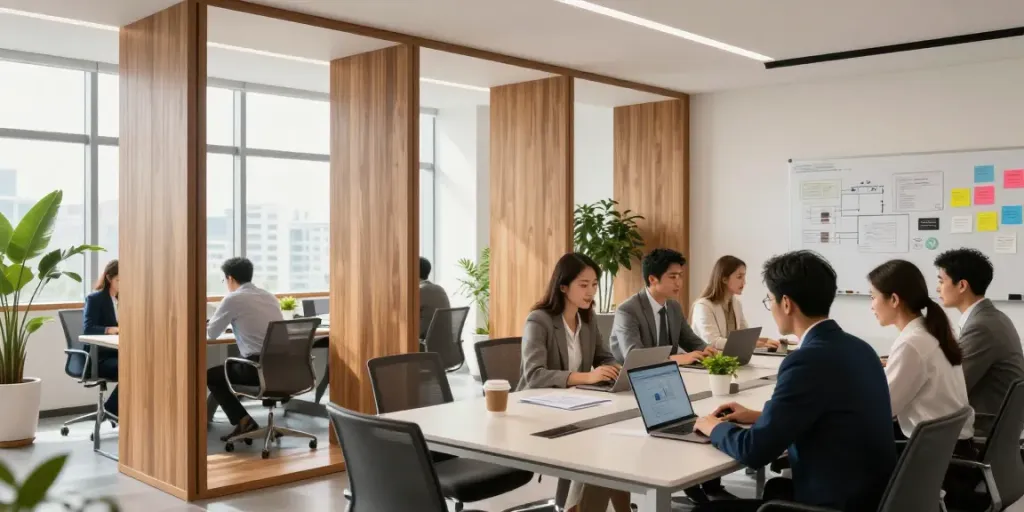
پارتیشن can be defined as a type of partition that serves to divide spaces within a larger area, typically used in office environments to create individual workstations, meeting rooms, or quiet zones. Their design can range from simple, functional screens to more elaborate constructions featuring materials like glass, wood, or metal. In contemporary office spaces, the role of پارتیشن has expanded beyond mere functionality; they now contribute to the overall aesthetic and ambiance of the workplace.
The Benefits of Using پارتیشن for Space Management
The advantages of incorporating پارتیشن into office design are multifaceted:
- Enhanced Privacy: By creating distinct areas, پارتیشن provides employees with the privacy they need to focus on their tasks without distractions.
- Flexibility: They can be easily rearranged or removed altogether, allowing for dynamic office layouts that can adapt to changing organizational needs.
- Improved Acoustics: With the right materials, پارتیشن can help reduce noise levels, fostering a quieter and more productive work environment.
- Increased Design Options: Available in various materials and styles, they can complement existing decor and enhance the overall aesthetic of the workspace.
Common Misconceptions About پارتیشن in Work Environments
Despite their many benefits, there are still misconceptions surrounding the use of پارتیشن. Some individuals may view them as merely temporary solutions or believe that they detract from a collaborative atmosphere. However, with innovative designs and strategic placements, they can actually facilitate collaboration by providing spaces for group discussions without compromising individual focus. Moreover, modern materials allow for transparency and openness, which can help maintain a sense of community among employees.
Types of پارتیشن: Finding the Right Fit for Your Needs
Comparing Different Materials for پارتیشن: Wood, Glass, and More
When selecting a پارتیشن, the material used plays a significant role in determining its functionality and aesthetic appeal. Here’s a breakdown of the most common materials:
- Wood: Provides warmth and can be designed to match existing furniture, making it suitable for traditional office environments.
- Glass: Offers a modern, sleek look while allowing natural light to flow, thereby creating a more open and inviting space.
- Fabric: Often used in conjunction with frames, fabric پارتیشن can provide sound absorption while offering a soft aesthetic.
- Metal: Typically used for more industrial-style workplaces, metal پارتیشن is durable and can withstand wear and tear.
Mobile vs. Fixed پارتیشن: Which Should You Choose?
The choice between mobile and fixed پارتیشن often depends on the specific needs of the workspace. Mobile پارتیشن can be easily moved and adjusted based on the current requirements of the office, making them ideal for environments that require frequent reconfiguration. On the other hand, fixed پارتیشن provides stability and permanence, which is advantageous for organizations needing a more established layout. Assessing these factors will help in making the right choice for your situation.
Innovative پارتیشن Solutions for Small Spaces
In smaller offices, efficient space management is critical. Innovative پارتیشن solutions can transform compact areas into functional workspaces. Some strategies include:
- Sliding Panels: These can be opened or closed as needed, allowing for flexibility in how the space is used.
- Multi-Functional Furniture: Combining پارتیشن with desks or storage can maximize utility in limited spaces.
- Transparent Designs: Glass or acrylic پارتیشن allows light to penetrate while still providing separation, making small offices feel larger.
Design Strategies for Effective پارتیشن Implementation
Creating Visual Interest with Colors and Textures in پارتیشن
Choosing the right colors and textures for your پارتیشن can greatly influence the aesthetic of the office. Bright colors can energize a workspace, while softer hues can promote calmness. Textured surfaces add depth and interest, helping to enhance the overall design concept. It's essential to align your choices with the organization's brand and values to create a cohesive and appealing environment.
How to Integrate پارتیشن with Existing Office Layouts
Integrating new پارتیشن into an existing layout should be approached with careful planning. Begin by assessing the current space and identifying areas that would benefit from division. Consider how the addition of پارتیشن will influence foot traffic and interaction among employees. Engaging a professional designer can also provide valuable insights into blending new elements with the current design seamlessly.
Best Practices for Installation and Maintenance of پارتیشن
Proper installation and ongoing maintenance are crucial for ensuring the longevity and effectiveness of پارتیشن. Here are some best practices:
- Professional Installation: Engage professionals to install fixed پارتیشن to ensure they meet safety standards and aesthetic expectations.
- Regular Maintenance: Keep the materials clean and free from damage, addressing any wear and tear promptly to maintain their appearance and functionality.
- Consideration of Ergonomics: Ensure that the height and placement of the پارتیشن do not obstruct navigation or sightlines.
Real-World Applications: Case Studies of Successful پارتیشن Use
Corporate Offices: Maximizing Productivity with پارتیشن
Many corporations have successfully implemented پارتیشن to optimize their office layouts. For example, a leading tech company utilized glass پارتیشن to demarcate spaces while fostering a sense of openness and teamwork. This not only enhanced productivity but also improved employee satisfaction as teams could collaborate without feeling isolated.
Co-Working Spaces: Balancing Privacy and Collaboration with پارتیشن
Co-working spaces have become a hotspot for freelancers and small businesses. By incorporating پارتیشن, these spaces can maintain a balance between privacy and collaborative areas. For instance, flexible layouts that include mobile پارتیشن allow users to create personal workspaces while still benefiting from shared resources.
International Trends in پارتیشن Design for 2026
As we look toward 2026, several international trends in پارتیشن design are emerging. Sustainability is at the forefront, with increased demand for eco-friendly materials and production methods. Moreover, integration of smart technology into پارتیشن—such as built-in screens for presentations—represents a significant shift towards high-tech workplaces that support remote collaboration.
Future Trends and Innovations in پارتیشن Design
Emerging Technologies in پارتیشن Production
Advancements in manufacturing technologies are paving the way for innovative پارتیشن designs. Techniques such as 3D printing are enabling the creation of unique forms and structures that can be tailored to specific needs, ensuring a perfect fit for any office layout. These technologies allow for customization in shapes and sizes that traditional production methods cannot match.
Sustainable Materials: Eco-Friendly پارتیشن Solutions
The push for sustainability continues to influence the office design industry. New materials such as recycled plastics and sustainably sourced woods are becoming popular for پارتیشن production, minimizing environmental impact while maintaining aesthetic appeal. This also aligns with corporate social responsibility initiatives, making businesses more attractive to eco-conscious consumers.
Predicting the Evolution of پارتیشن in Workspace Design
As work culture evolves, so too will the role of پارتیشن in office spaces. The future may see an increase in multifunctional designs that serve various purposes—from soundproofing to branding. With a growing emphasis on mental health and well-being, the designs will likely incorporate elements that promote a healthy work-life balance, ensuring that workplaces not only serve functional needs but also enhance the overall employee experience.
What are the advantages of using پارتیشن in my office?
Using پارتیشن in the office provides multiple benefits, including improved space management, enhanced privacy, and the flexibility to create dynamic work environments.
How do I choose the best material for a پارتیشن?
Choosing the best material for a پارتیشن involves considering the office's aesthetic, the desired level of acoustics, and how much natural light you want to maintain.
Can پارتیشن be customized to fit my design preferences?
Yes, many manufacturers offer customizable options for پارتیشن, allowing you to select materials, colors, and configurations that align with your design vision.
What are the maintenance requirements for different types of پارتیشن?
Maintenance varies by material; wood may require polishing and refinishing, while glass needs regular cleaning to prevent smudges and fingerprints.
How has the role of پارتیشن changed in modern workplaces?
In modern workplaces, پارتیشن has evolved from simple dividers to sophisticated design elements that enhance functionality, aesthetic appeal, and employee well-being.