Understanding the Different Types of Crayons from Manufacturers
Crayons are more than just a colorful tool for children; they are versatile art supplies used across various age groups and artistic disciplines. Understanding the different types of crayons available is essential for both consumers and businesses alike, particularly when sourcing from crayon manufacturers. From classic wax to innovative eco-friendly options, the landscape of crayon types is both extensive and fascinating.
What are the Benefits of Wax Crayons?
Wax crayons have been a staple in art supplies since their inception. They are made from a mixture of paraffin wax and color pigments, providing an affordable and accessible option for artists of all levels. One of the key benefits of wax crayons is their low cost and the ability to serve a large number of consumers, which makes them ideal for educational institutions and individual artists alike. Wax crayons are easy to use and require minimal setup, making them a preferred choice for young children.
In addition to their affordability, wax crayons are known for their vibrant colors and smooth application on paper. They can be used for a variety of techniques, from shading to blending, making them an excellent tool for creativity.
Features of Plastic Crayons for Versatile Art
Plastic crayons represent a modern evolution in crayon technology. Unlike traditional wax, these crayons are made from a blend of plastic materials that allow for a wide range of shapes, sizes, and colors. This versatility makes plastic crayons a favorite in both art education and professional settings. Their unique formulation allows them to produce sharper lines and distinct textures.
Additionally, plastic crayons are often more durable and resistant to breaking compared to their wax counterparts. They can be used on various surfaces, including wood and cardboard, making them suitable for different projects. Their bright color payoff and ability to create fine details enhance the user experience, making them an excellent option for artists seeking to experiment with new forms of expression.
Why Choose Eco-Friendly Beeswax Crayons?
As environmental consciousness continues to rise, eco-friendly painting supplies are becoming more sought after. Beeswax crayons, made from natural wax and colored with non-toxic pigments, provide a sustainable alternative to traditional crayons. These crayons are biodegradable and safe for children, making them an excellent choice for parents and educators. Besides their environmental benefits, beeswax crayons have a unique texture that makes them easier to blend and create intricate designs.
Furthermore, the use of beeswax in crayons contributes to a smoother application and richer color payoff. They can also be used on a variety of surfaces, including fabrics, which opens up a range of creative possibilities for textile art and crafts. As consumers continue to prioritize sustainability, beeswax crayons are gaining popularity in the market.
Finding Reliable Crayon Manufacturers
When it comes to sourcing crayons, identifying reliable manufacturers is crucial to ensure quality and safety in art supplies. The right manufacturers not only provide high-quality products but also adhere to safety regulations and standards. If you're sourcing crayons for personal or commercial use, it's essential to understand how to evaluate the best options available.
How to Evaluate Crayon Quality and Safety Standards?
Quality and safety standards are critical factors to consider when selecting crayon manufacturers. Look for companies that comply with industry regulations such as ASTM D4236, which ensures that art materials are safe for use. Also, pay attention to the materials used in production; non-toxic, sustainable materials are preferable. It’s beneficial to request samples and perform your own tests to evaluate the performance of the crayons in terms of color richness, durability, and ease of use.
Moreover, checking customer reviews and testimonials can provide insights into the reputation of a manufacturer and the experiences of other customers. Understanding a manufacturer's commitment to innovation and quality control practices is essential in making an informed decision.
Top Crayon Manufacturers to Consider in 2026
The crayon manufacturing landscape is evolving, with numerous top players emerging in the industry. Notable crayon manufacturers include Crayola, known for its classic wax crayons; Faber-Castell, which offers premium options; and innovative companies such as Siloons, which focus on eco-friendly products. Collaborating with reputable manufacturers ensures access to a wider selection of quality crayons tailored to various needs.
Additionally, exploring manufacturers from different regions can introduce you to unique products that cater to specific artistic demands. As the global market for crayons continues to grow, it's important to stay updated on industry trends and emerging players.
Wholesale Options: How to Maximize Your Budget?
For businesses and artists looking to purchase crayons in bulk, exploring wholesale options is a smart strategy. Wholesale purchasing can significantly reduce costs, allowing for budget-friendly procurement. When considering wholesale suppliers, inquire about minimum order quantities (MOQs), pricing structures, and shipping options. Negotiate pricing based on volume, and consider signing contracts for ongoing supply to ensure consistency.
Many leading crayon manufacturers offer wholesale rates, which can be particularly beneficial for schools, art supply stores, and community centers. Always ensure that the quality remains consistent, even when purchasing in larger quantities.
Creative Applications of Crayons in Art Projects
Crayons are more than just tools for coloring; they can be used in diverse art forms and projects. Their adaptability allows for a myriad of creative applications, making them an essential part of any artist's toolkit. Understanding how to effectively integrate crayons into various projects can enhance artistic expression and provide an enjoyable experience.
Using Fabric Crayons for Unique Textiles
Fabric crayons allow artists to create one-of-a-kind designs on textiles. Designed to work seamlessly on fabric, these crayons can be used to draw, color, and even blend colors on material. The magic of fabric crayons lies in their ability to withstand washing without fading, making them perfect for personalized clothing, accessories, and home textiles.
When using fabric crayons, heat-setting the designs with an iron can improve durability, ensuring that the artwork remains vibrant through numerous washes. This technique opens up a whole new realm of practical uses for fabric crayons, from custom apparel to unique gifts.
Innovative Techniques for Children’s Artwork
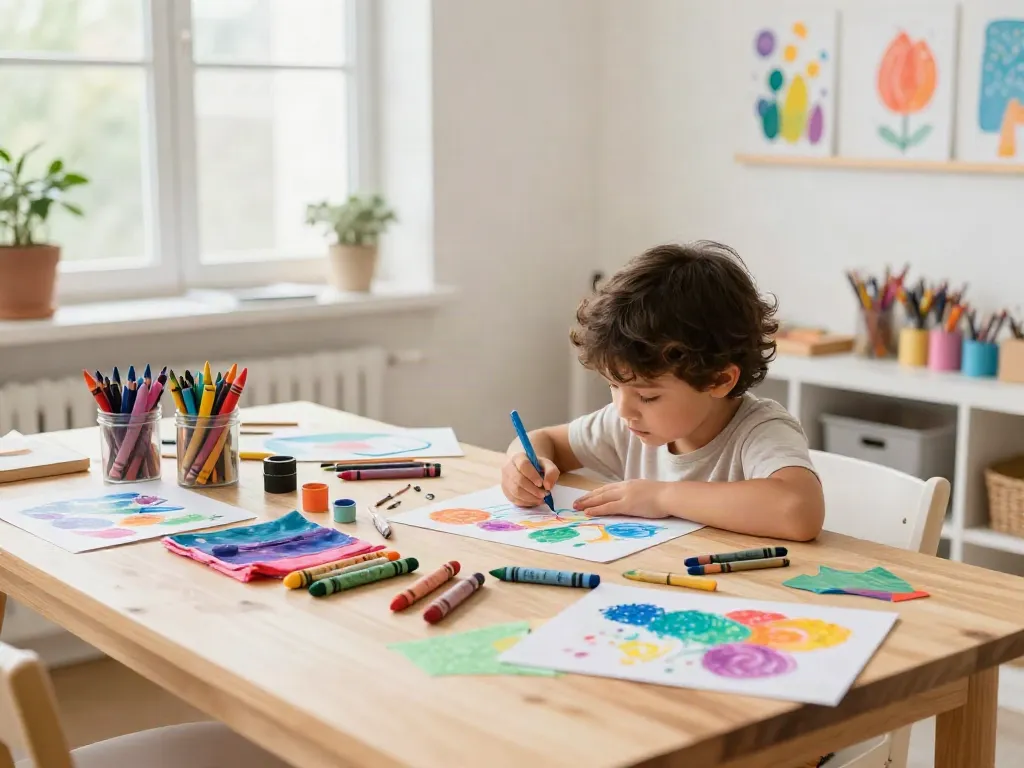
Integrating crayons into innovative art techniques can make the creative process fun and engaging for children. Techniques such as crayon resist, where crayon wax repels liquid watercolors, can produce striking results. Children can explore their creativity by layering colors and experimenting with different surfaces.
Another exciting technique is melting crayon shavings with a heat gun to create abstract art on canvas. This method not only captivates children but also teaches them about color blending and heat application. Encouraging kids to think creatively about how they use crayons helps develop their artistic skills and fosters a love for art.
Integrating Crayons in DIY Crafts and Home Decor
Crayons can be effectively used in various DIY crafts and home decor projects, providing an affordable way to add color and creativity to everyday items. From creating custom candle holders to decorating picture frames, the possibilities are endless. For instance, melting crayons into molds can create colorful crayon-themed candles or vibrant art pieces for the home.
Additionally, crayon shavings can be embedded in resin to create unique coasters or jewelry pieces. These projects not only recycle old crayons but also allow for personalized decorations that reflect individual styles and preferences.
Challenges Faced When Sourcing Crayons
While sourcing crayons can be rewarding, several challenges may arise during the process. Understanding these challenges will better equip artists and businesses to navigate the market and find suitable solutions.
Common Misconceptions About Crayon Quality
A common misconception is that all crayons are created equal, leading to disappointment in quality and color performance. Not all crayons are made with the same materials, and differences in pigment quality, wax composition, and manufacturing processes significantly affect the final product. It is crucial to differentiate between standard, school-grade crayons and higher-end artist-quality options.
Being educated about the properties of different types of crayons will enable consumers to make informed decisions and select products that meet their standards and expectations.
Addressing Supply Chain Issues in 2026
The global supply chain has faced various challenges, impacting the availability and pricing of art supplies, including crayons. Understanding the dynamics of supply chains can help businesses and consumers anticipate potential shortages or delays. Keeping abreast of industry news and establishing strong relationships with crayon manufacturers can mitigate disruptions.
Additionally, considering alternative sourcing options and diversifying suppliers can help stabilize inventory and maintain quality standards despite external challenges.
How to Ensure Consistent Product Availability?
To ensure consistent product availability, create strong partnerships with manufacturers and suppliers. Long-term relationships often result in better communication, favorable pricing, and prioritization during high-demand periods. Implementing a supply chain management system may also facilitate tracking inventory levels and anticipating reorders, thereby minimizing disruptions.
Participating in trade shows and industry events can also provide insights into upcoming trends and help in establishing connections with reliable crayon manufacturers, ensuring a steady supply for both personal and commercial needs.
Future Trends in Crayon Manufacturing and Usage
The crayon industry is poised for innovation, driven by consumer preferences for sustainable and versatile products. The future holds exciting possibilities as manufacturers adapt to changing market dynamics and emerging technologies.
Emerging Innovations in Crayon Production
As technology evolves, so does crayon production. Innovations such as 3D printing and the use of biodegradable materials are shaping the future of crayons. Manufacturers are increasingly utilizing plant-based waxes and natural pigments to produce eco-friendly crayon options. These advancements not only appeal to environmentally conscious consumers but also align with industry sustainability goals.
Additionally, interactive crayons that incorporate technology, such as augmented reality features, are becoming increasingly popular. These innovations can help artists engage with their creations in entirely new ways, enhancing the user experience.
Environmental Impact of Crayon Manufacturing
As awareness of the environmental impact of manufacturing processes grows, crayon manufacturers are being challenged to adopt more sustainable practices. Emphasizing recyclability and reducing plastic usage in packaging are important steps toward minimizing the ecological footprint of crayon production. Consumers play a vital role in this shift by prioritizing eco-friendly products and demanding transparency from manufacturers.
By choosing crayons made from renewable materials and supporting companies committed to environmental responsibility, consumers can contribute to a healthier planet.
What to Expect from the Crayon Market in 2026 and Beyond
The crayon market is expected to continue evolving, with trends leaning towards customization and personalization. Consumers are increasingly seeking unique products that reflect individual styles and creativity. Consequently, manufacturers that offer customizable crayons or themed collections are likely to thrive in the coming years.
Furthermore, the integration of educational resources and creative kits alongside crayons can enhance the overall experience for consumers, making art more accessible and enjoyable. Educational institutions will continue to play a significant role in shaping product offerings, as they seek innovative and engaging ways to incorporate art into their curricula.
What companies make crayons?
Some well-known companies that manufacture crayons include Crayola, Faber-Castell, and Siloons, among others. These brands have established reputations for quality and innovation, catering to a range of artistic needs.
What are the top brands of crayons?
The leading brands of crayons typically include Crayola, Faber-Castell, and Prang. Each brand is known for its distinctive qualities and target demographics, ranging from educational crayons for children to professional-grade options for artists.
Where are crayons manufactured?
Crayons are manufactured in various locations worldwide, with significant production in the United States, China, and other countries. The geographic spread of manufacturers ensures a diverse range of products and options for consumers.
What crayons are made in the USA?
Many reputable brands, such as Crayola and Prang, manufacture crayons in the USA. These brands are known for adhering to strict safety standards, ensuring high-quality products for consumers.
What are the safety standards for crayons?
Safety standards for crayons are established by organizations such as ASTM International, which emphasizes that all art materials should be non-toxic and safe for use by children. Manufacturers must comply with these standards to ensure product safety and consumer trust.